Hospitality continues to be one of the most dynamic segments of the Italian real estate market. Investment in the hotel sector, the expansion of international brands and evolving guest expectations are driving both new developments and the transformation of existing assets.
Behind these market trends, however, lies another reality: hospitality projects are becoming increasingly complex. Investors and operators must balance an asset’s potential with technical constraints, investment objectives, brand standards, design ambitions and operational requirements, all while meeting defined budgets and timelines.
These topics were at the centre of the eighth edition of the Italian Hospitality Investment Conference (ITHIC), which brought together investors, hotel operators, developers and industry professionals to discuss the future of hospitality in Italy.
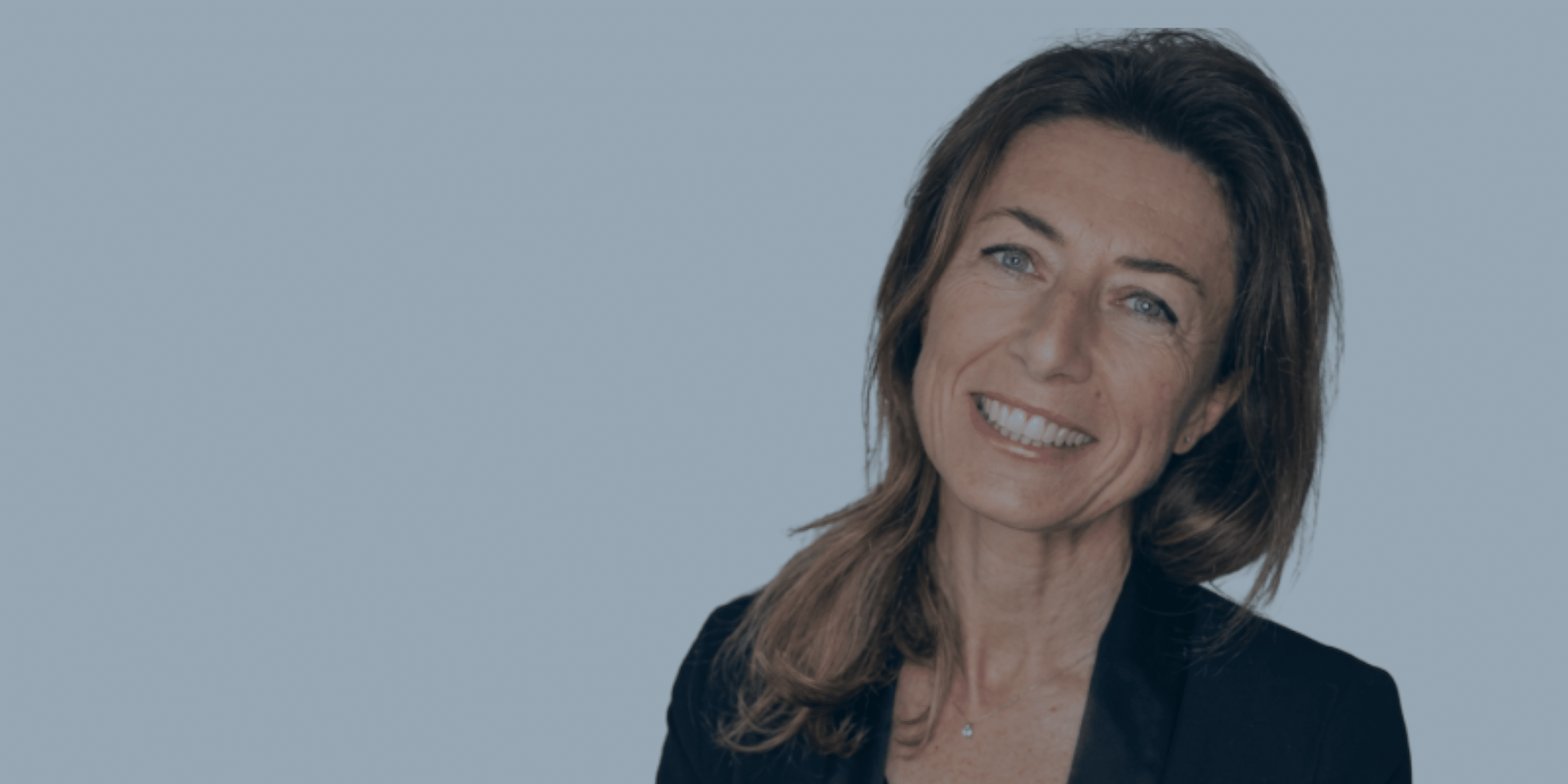
Korus Group took part in the event. To explore the key insights that emerged and understand what they mean in practical terms for hotel project delivery, we interviewed Barbara Maieli, Sales Director Hospitality Italy at Korus Group.

Existing assets are creating new opportunities, but also new challenges
Renovation and repositioning appear to be playing an increasingly important role in the Italian hospitality market. What does this mean from a project perspective?
“Working with an existing asset is very different from starting with a blank page. The challenge is to find the right balance between the asset’s existing characteristics and its future positioning.
This means understanding technical constraints from the very early stages and assessing how they may affect design, investment decisions and project planning. The earlier these factors are integrated and analysed, the easier it becomes to make informed decisions and preserve the project’s overall ambition.”

Brand, design and investment objectives must move in the same direction
How does this influence the delivery of hospitality projects?
“A hospitality project must simultaneously respond to several objectives. Investors focus on asset value and financial performance, operators have specific operational requirements, brands must comply with their own standards, and designers are responsible for creating a distinctive guest experience.
These objectives are not necessarily conflicting, but they do need to be aligned. A design decision can have technical, financial or operational implications, which is why it is essential for all stakeholders to collaborate from the earliest stages, identifying the best solutions before construction begins rather than managing issues once work is already underway.”
The ability to ensure project delivery has become a key investment factor
What changes, then, in project management?
“Hospitality projects involve a large number of stakeholders and specialist disciplines. The more complex the project, the more critical coordination becomes.
The role of the General Contractor is not limited to managing construction. It also involves creating the right project ecosystem, bringing together the required expertise, anticipating risks and ensuring that decisions remain aligned with the client’s objectives throughout the delivery process.”
Clear governance, well-defined responsibilities and efficient decision-making processes contribute directly to greater control over the entire project delivery process.

What is Korus Group’s contribution to this process?
“Our value lies in our ability to bring together the right expertise around each project. Thanks to our experience in both General Contracting and hospitality real estate, we are able to work effectively with investors, operators, designers and project teams, ensuring that technical and financial requirements remain aligned with the asset’s vision and positioning.
Ultimately, our role is to turn that vision into a project that can actually be delivered.”
From market trends to project delivery
The discussions held during ITHIC reflect challenges that Korus Group is already addressing through its hospitality projects across Italy.
As a General Contractor, Korus Group supports investors and hotel operators in the renovation and repositioning of hospitality assets, coordinating the technical and operational complexity of each project while preserving its architectural vision and brand positioning.
Our approach starts with the project itself: understanding its objectives and constraints before building the ecosystem required for its successful delivery. By bringing together the right expertise from the earliest stages, we help clients anticipate risks, make informed decisions and maintain control over quality, costs and timelines throughout the entire project lifecycle.
Planning the renovation or repositioning of a hospitality asset in Italy? Contact the Korus Group team to discuss your project.